


How to Install an Outdoor Ceiling Light
In this guide, we will show you how to safely and correctly install an outdoor ceiling light.
Installing outdoor ceiling lights requires a precise approach and proper preparation, especially regarding the electrical installation. This guide will walk you through each step to ensure a safe and aesthetically pleasing installation.
Outdoor ceiling lights are a type of lighting fixture mounted on ceilings in exterior spaces such as porches, verandas, balconies, or terraces. They feature durable housings resistant to weather conditions, allowing safe year-round outdoor use. They are most commonly designed in a minimalist, modern style, although classic designs are also available, making it easy to match them to different arrangements.
Ceiling fixtures work perfectly in areas where bright, diffused light is needed to illuminate a larger space without creating harsh shadows. They can be used both as the main source of outdoor lighting and as supplementary lighting to enhance the overall lighting effect in residential outdoor areas. Thanks to the use of energy-efficient LED light sources, outdoor ceiling lights are also efficient and environmentally friendly.
Before starting the installation, carefully read the manufacturer’s instructions to avoid mistakes and ensure proper operation of the lighting. A clear understanding of the manufacturer’s guidelines will help ensure safe use of the product and proper completion of each installation step according to the recommendations. Keep in mind that failure to follow the instructions may void the warranty, so it is advisable to comply with the manufacturer’s guidelines at every stage of installation.
Why Use Outdoor Ceiling Lights?
Outdoor ceiling lights:
- provide even, diffused lighting, ideal for larger spaces,
- offer protection against moisture thanks to their durable housing and appropriate IP rating
- can serve as either the main or an additional light source.
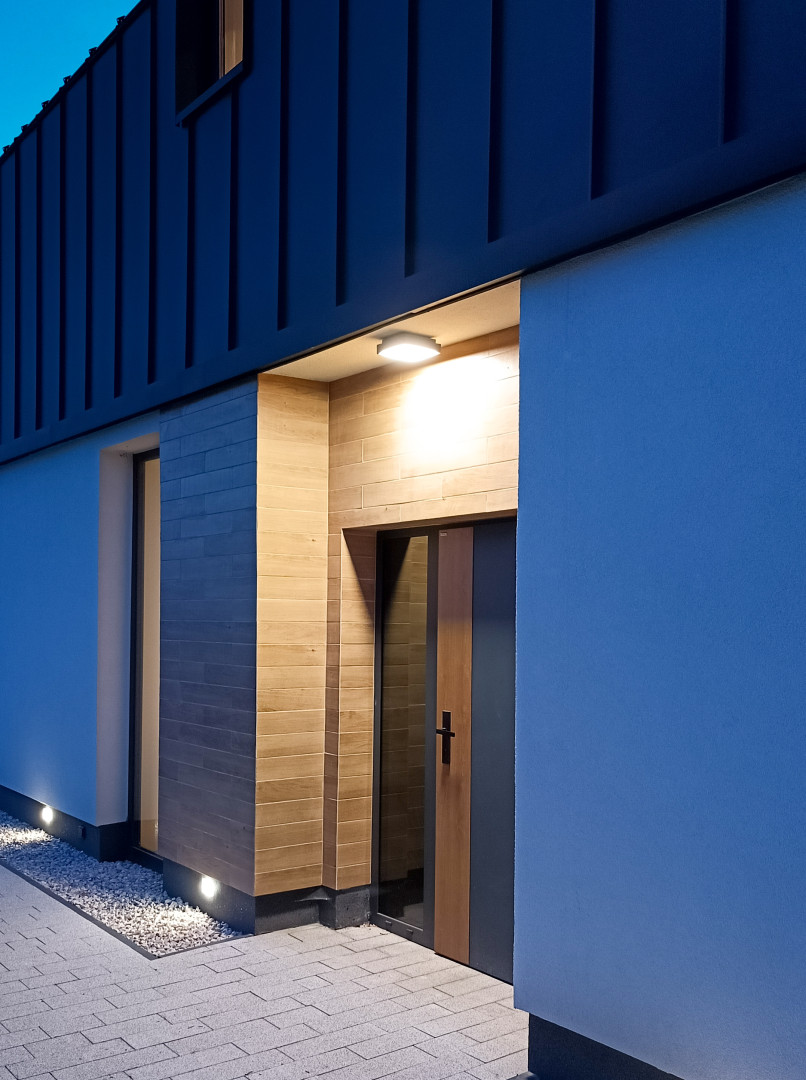
Garden Ceiling Lights – Installation
Step 1: Planning and Choosing the Location
Consider where lighting is needed – above the entrance, on the veranda, or in a gazebo. The location should allow for even illumination of the space, ensuring comfortable use.
The next step is to assess the installation conditions. For ceilings exposed to moisture, it is best to choose fixtures with a high IP rating, such as IP65 or higher, which will ensure durability in demanding conditions. The type of ceiling material—whether wood, concrete, or another surface—also matters, as it may require different mounting techniques.
When preparing the electrical installation, it is advisable to plan the routing of new wiring in advance, especially during the construction or renovation stage. In some cases, it may be necessary to run cables through dedicated conduits or provide proper protection against moisture.
Step 2: Preparing Tools and Materials
Preparing the appropriate tools and materials is a key step that will speed up the installation and ensure smooth work. You will need a drill or screwdriver to drill holes and securely mount the light fixture. To make sure the lamp is installed evenly, use a spirit level to prevent it from being tilted.
A pencil or marker will be useful for precisely marking the mounting points on the ceiling. It is also important to have suitable screws and wall plugs that match the ceiling material, such as anchors designed for concrete or wood.
A voltage tester will allow you to check whether there is electrical current in the installation. Electrical tape and protective wire covers are essential for safeguarding connections against moisture and damage. Don’t forget a wire stripper or utility knife, as well as insulated screwdrivers, which will also be helpful during the installation process.
Step 3: Health and Safety Rules!!!
Before you begin, turn off the power to the appropriate circuit in the distribution board. Additionally, leave a note indicating that installation work is in progress and inform all household members so that no one accidentally switches the power back on. This is a crucial step to avoid the risk of electric shock. Use a voltage tester to make sure the wires are truly disconnected from the power supply.
If you are installing the light at a height, make sure to use a stable and safe platform or ladder.
Step 4: Installing the Ceiling Light
To begin the installation, first mark the points on the ceiling where the holes will be drilled. Then, use a drill to make holes at the marked locations, adjusting the depth and diameter to match the requirements of the wall plugs and the ceiling material. After drilling, attach the mounting brackets or frame according to the manufacturer’s instructions, ensuring they are securely fixed. For concrete ceilings, use wall plugs or chemical anchors; for wooden ceilings, use screws specifically designed for wood.
Once everything is prepared, and after turning off the power and confirming with a voltage tester that there is no current, connect the electrical wires of the lamp according to the instructions. Make sure to match the wire colors correctly to ensure proper electrical function and safe operation. Correct color connections not only help identify the function of each wire but also minimize the risk of short circuits or equipment damage. Typically, the live wire “L” is brown or black, the neutral “N” is blue, and the protective earth “PE” is green-yellow. Following these guidelines when installing lamps or other electrical devices contributes to the long-term and safe operation of the entire installation.
Use electrical tape or protective covers to shield the wires from moisture. For outdoor connections, it is particularly important to ensure proper sealing. Additionally, connections can be further protected using silicone or special compounds designed for electrical connections, which increase their resistance to weather conditions.
Finally, attach the lamp to the previously installed brackets or frame, making sure it is securely fastened and stable. Tighten all screws and mounting elements carefully, following the manufacturer’s recommendations.
Step 5: Testing and Final Inspection
After completing the installation and ensuring that all components are securely mounted, you can turn on the power to the electrical circuit. Next, it is important to check the operation of the lamp; make sure the light turns on and off as expected and that the brightness is appropriate.
Regular inspections, carried out every few months, can help detect potential damage or issues, such as flickering, which may indicate a short circuit. This ensures not only proper functioning of the lighting but also the safety of the electrical installation.
Summary
Installing an outdoor ceiling light requires care and precision to ensure proper operation and an aesthetically pleasing appearance. Proper preparation and execution of the installation guarantee safety and user comfort.
If you are unsure how to carry out the installation or encounter any difficulties, it is always advisable to consult a professional electrician. Safety is paramount, and a qualified specialist can help prevent potential issues that could lead to serious damage or hazards. When in doubt, don’t hesitate to seek professional assistance!