


Milky or transparent diffuser? Comparing the advantages of both solutions
When choosing an outdoor light fixture, it is worth paying attention not only to its shape, but also to the diffuser. It affects whether the light will be soft or more pronounced. See the difference between a milky and a transparent diffuser and find out which one suits your garden better.
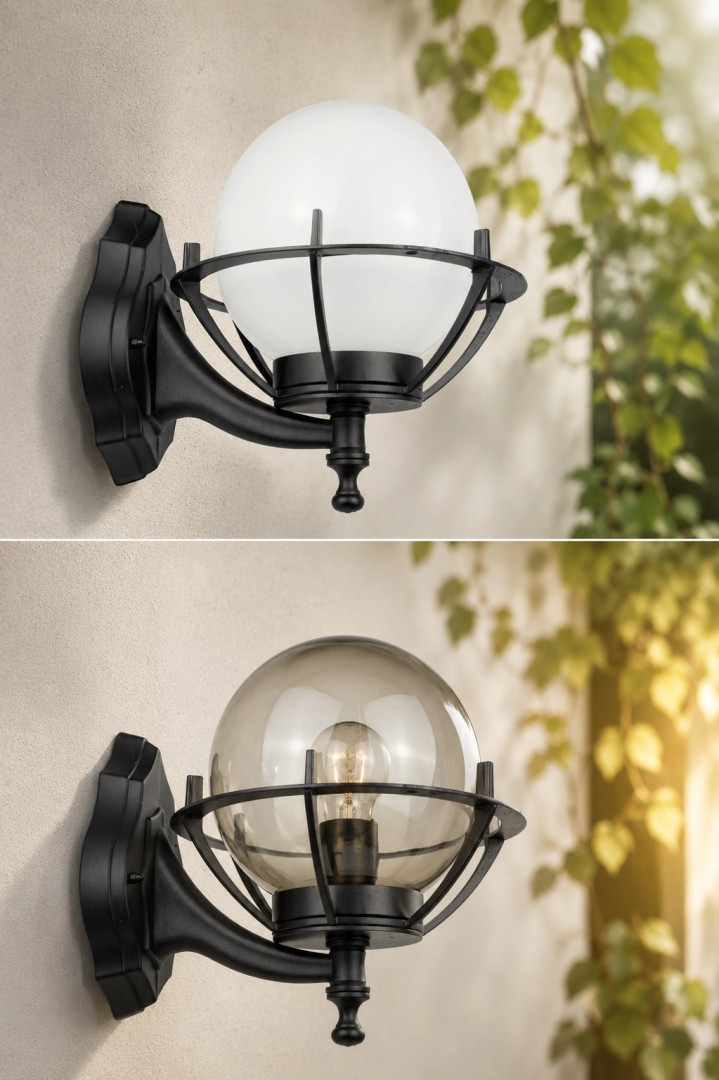
Milky or transparent diffuser – key information
- A milky diffuser disperses light more effectively and reduces glare, while a transparent diffuser highlights both the bulb and the form of the fixture more strongly.
- A milky diffuser provides softer light and works better near entrances, pathways, and terraces.
- In a modern property setting, both solutions can look good, but they create a different visual effect.
Milky diffuser vs transparent diffuser – comparison
A milky diffuser works better when you want soft and even light. A transparent diffuser is a better choice if you want the bulb to remain visible and the fixture itself to have a stronger visual character.

When should you choose a milky diffuser?
A milky diffuser is worth choosing when the fixture is mainly intended to illuminate the surroundings effectively without straining the eyes. This solution works better in places where the light should be calm and evenly distributed.
Advantages of a milky diffuser:
- disperses light more effectively,
- reduces harsh reflections and glare,
- creates a softer effect at the entrance, pathway, and terrace,
- makes the bulb less visible,
- works well in functional lighting.
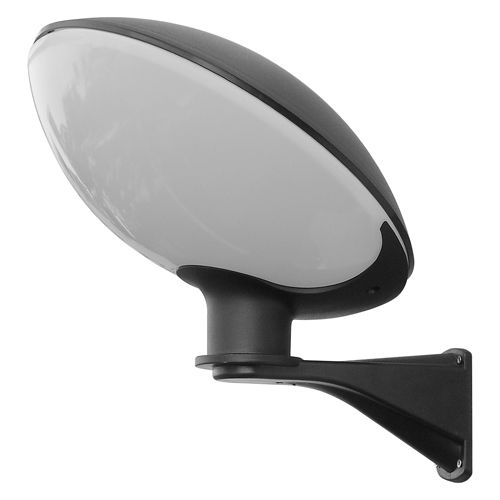
A good example from our range is the TAO K. This wall light features a milky acrylic glass (PMMA) diffuser that disperses the light and reduces glare. The model is worth installing near a house, garage, or gazebo. An additional advantage is the E27 socket, which allows you to choose the light output and color temperature yourself.
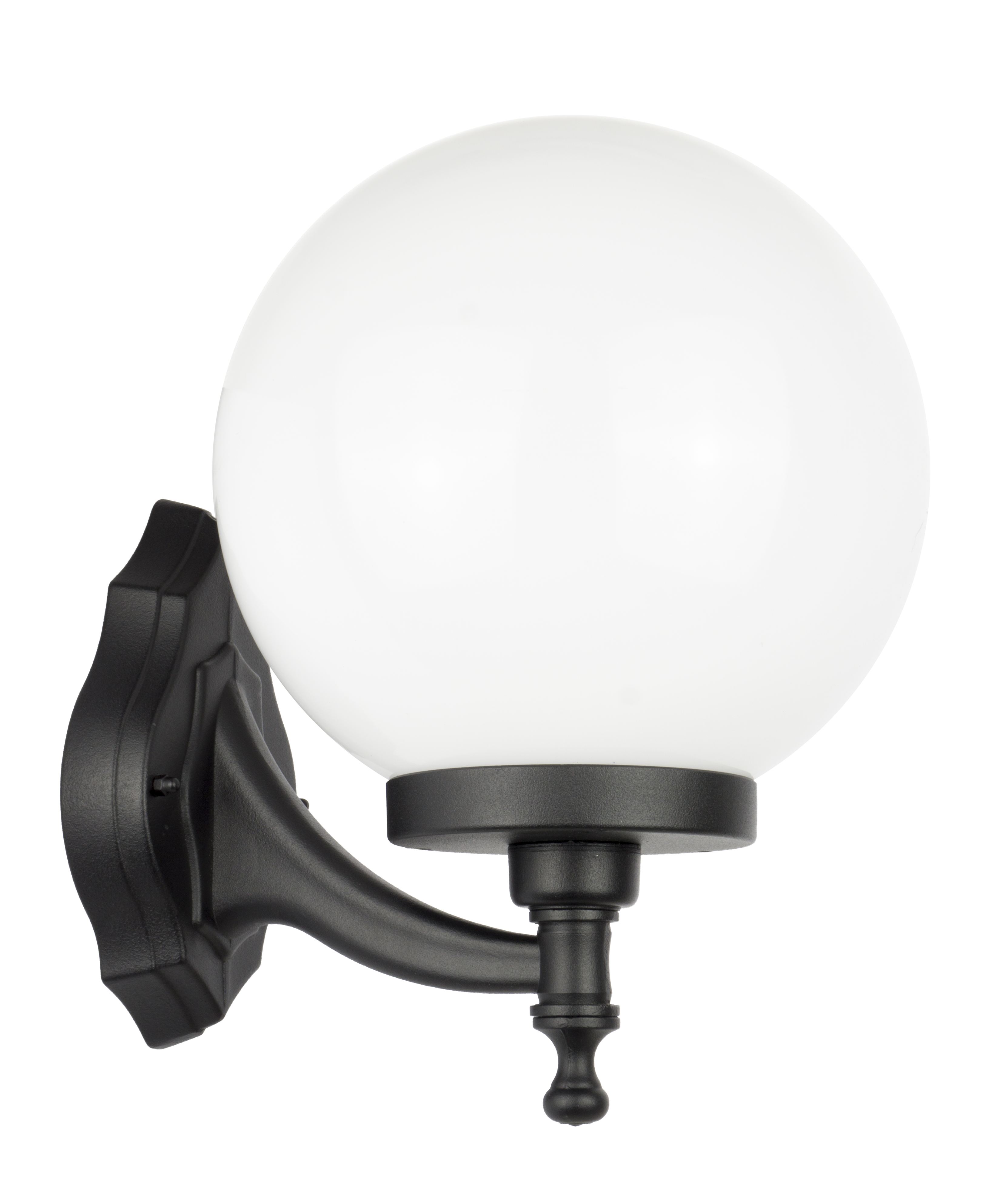
If you are looking for a more traditional form, fixtures with a globe-shaped diffuser are also a good choice, for example the Kule Classic K 3012/1/K 250. This is a simple fixture with a 25 cm diameter diffuser, complemented by a decorative cage. The housing is made of powder-coated aluminum in black, while the diffuser is made of crack-resistant acrylic glass. The globes are available in several variants.
When is a transparent diffuser a better choice?
A transparent diffuser is worth choosing when you want to highlight the light source and the appearance of the fixture more strongly. This type of diffuser does not hide the bulb, making the fixture a more visible element of the arrangement.
Advantages of a transparent diffuser:
- highlights the bulb more strongly,
- better emphasizes the decorative character of the fixture,
- creates a more distinctive visual effect,
- works well with stylized and pendant fixtures,
- allows better use of decorative light sources.
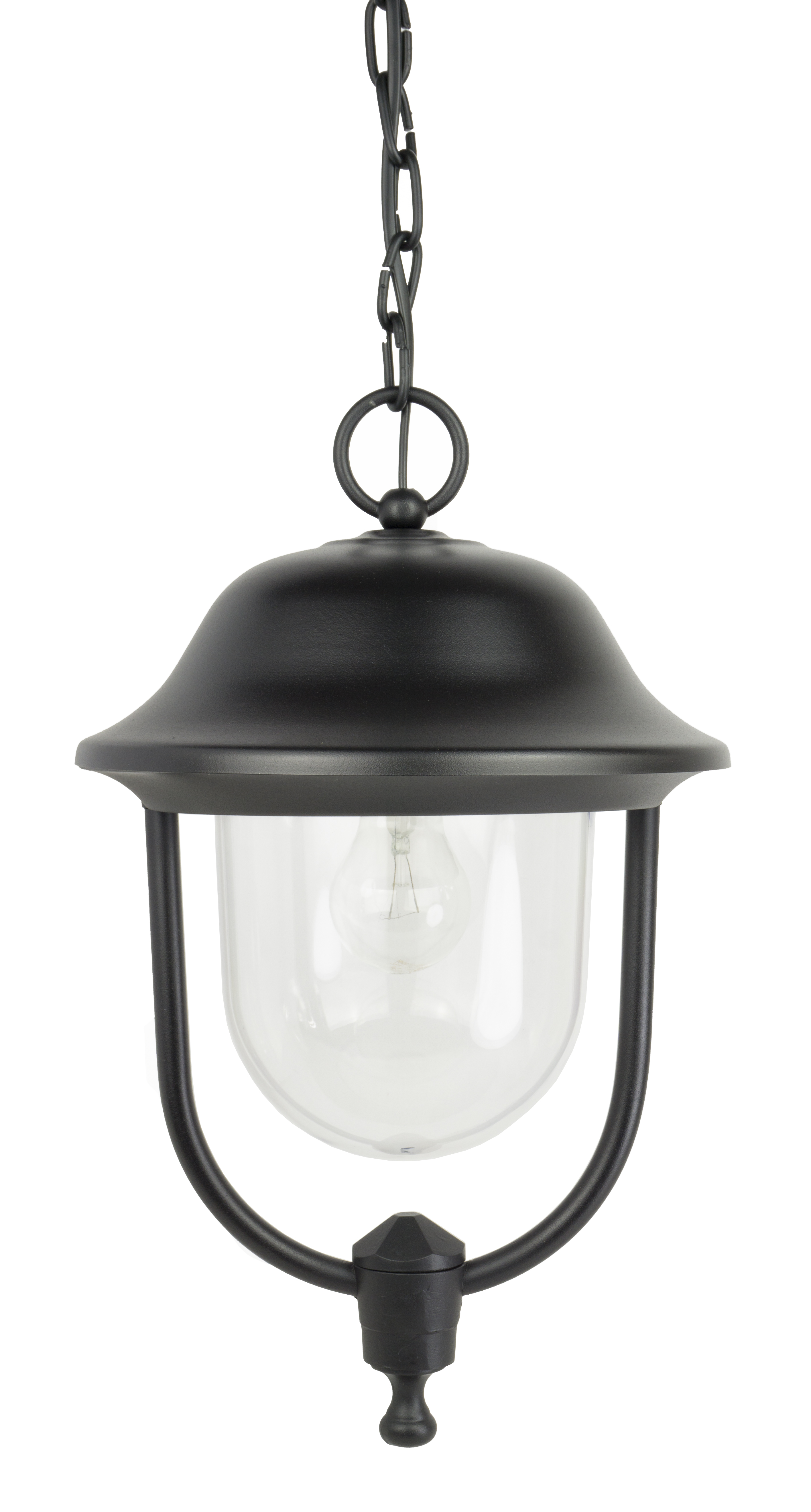
A good example is the Prince K 1018/1/O. This fixture features a transparent polycarbonate diffuser and an E27 socket. Using a decorative bulb helps emphasize the decorative qualities of the fixture even more. This shows that a transparent diffuser works better when the fixture itself is also intended to create atmosphere after dark.
Milky or transparent diffuser for the entrance, terrace, and garden?
At the entrance to the house, a milky diffuser is a good choice because it provides calmer light and better reduces harsh reflections. On a terrace, in a gazebo, or in a pendant fixture, a transparent diffuser can more often be considered if you want a more decorative effect. If the fixture is meant to guide along a path or illuminate the entrance area, a milky diffuser will usually be more practical. If the goal is to attract attention and highlight a decorative bulb, a transparent diffuser will create a better effect.
You may also be interested in: Lampshades for garden lights – when is it worth replacing them and how to choose the right model for the fixture?
In our range, you will find both modern fixtures with simple, geometric forms and more traditional models that have looked great around houses and gardens for years. This makes it easier to match the fixture to the architectural style of the building, the character of the façade, and the overall design of the property.
Before making a purchase, it is worth checking not only the color of the diffuser itself, but also the material, the style of the fixture, and the visibility of the light source. Read the product description and product data sheet — you will find information there that will help you choose the right model.