


How to Install In-Ground Drive-Over Lights – A Step-by-Step Guide
Installation Guide for In-Ground Drive-Over Light Fixtures
What Are Drive-Over Light Fixtures and What Are They Used For?
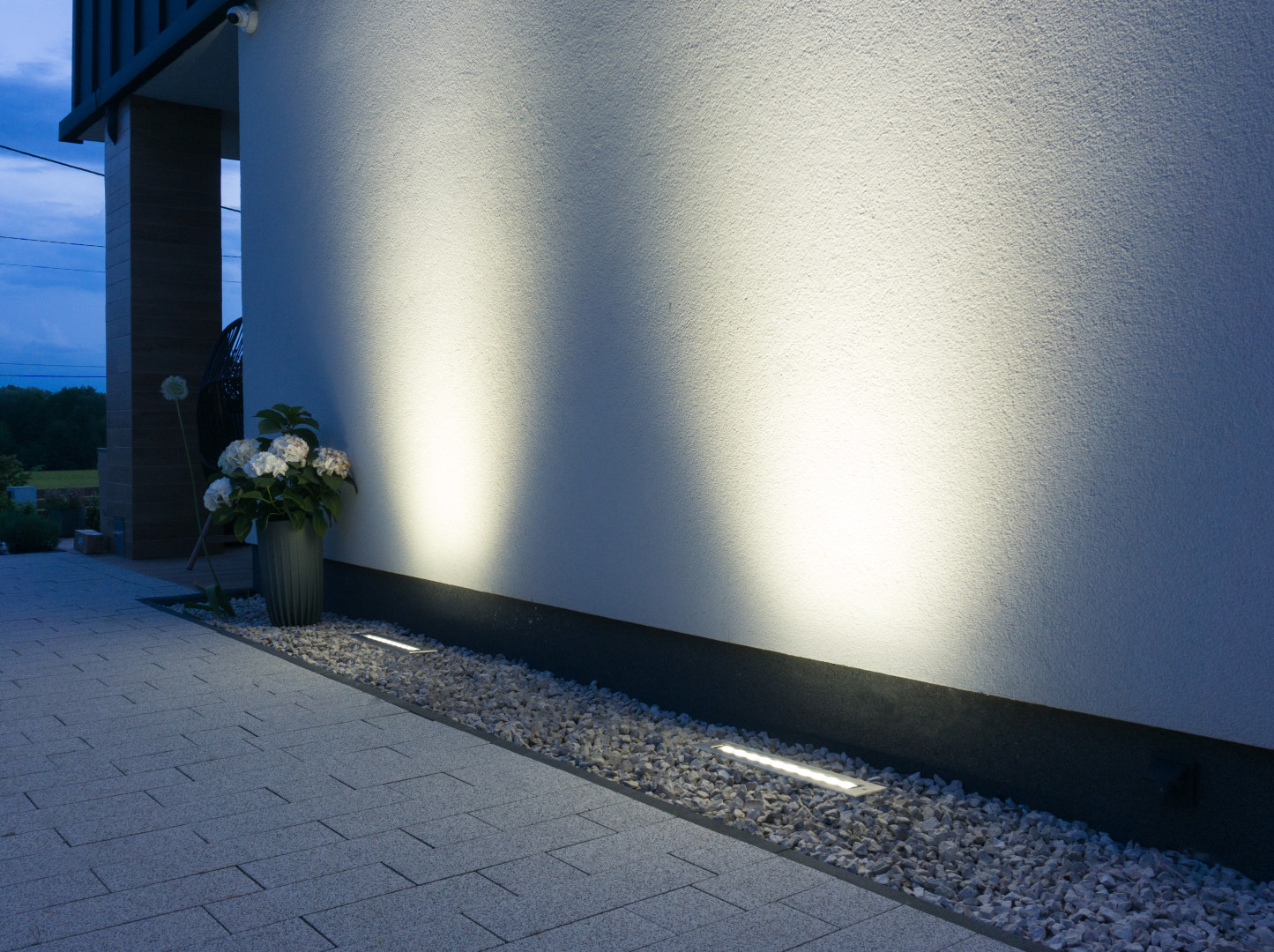
Drive-on lighting are specialized types of lighting installed directly into the ground and designed to withstand the pressure of vehicles. They are mainly used on driveways, parking areas, sidewalks, pathways, and other locations where vehicle or pedestrian traffic requires proper illumination. Recessed lights are typically waterproof and resistant to mechanical damage, making them ideal for outdoor use. Their purpose is not only to illuminate the area but also to improve safety and enhance the overall aesthetics of the space.
When choosing fixtures, pay close attention to their technical parameters. A drive-over light should have a high protection rating, such as IP67, to ensure resistance to water and dust. It is also important that the fixtures can withstand loads ranging from at least 1 ton up to even 5 tons, depending on the installation location. Another key parameter is the choice of light source — you can select fixtures equipped with integrated energy-efficient LEDs or models designed for replaceable light bulbs.
2. Health and Safety Rules and Reviewing the Manufacturer’s Instructions
Before starting any work related to the electrical installation, it is essential to switch off the circuit breakers supplying the circuit to which the light fixture will be connected. To prevent accidental reactivation by other people, it is recommended to secure the breakers with a special lockout device or mark them with a warning notice (e.g., a note informing about ongoing electrical work). This step is crucial to prevent the risk of electric shock!!!
Before installing in-ground light fixtures, it is extremely important to carefully read the instructions provided by the manufacturer. The manual contains key information regarding proper installation, electrical connection, and safety rules that must be followed during the installation process.
Carefully reviewing this information will help avoid installation errors that could lead to damage to the fixture or the entire system, and will ensure safe and efficient lighting operation for many years. It is also worth paying attention to the warranty conditions, which may depend on correct installation in accordance with the manufacturer’s recommendations.
3 Preparation of Required Tools and Materials
Before starting the installation of in-ground drive-over light fixtures, it is essential to gather all the necessary tools and materials to ensure the work proceeds smoothly and without interruptions. First, prepare the fixtures themselves, making sure they are suitable for the planned surface and feature a high water-resistance rating of IP67 or higher. It is also important to use appropriate electrical cables designed for outdoor use, resistant to moisture and changing weather conditions. Choose an outdoor-rated electrical cable that meets the power and installation length requirements.
For installation work, tools such as a shovel will be required to dig holes for the fixtures and to bury electrical cables in the ground. A utility knife and wire stripper will be useful for removing insulation from the wires. Pliers or a cable cutter will help precisely trim cables to the required length, which is crucial during the installation of drive-over fixtures.
Connectors and electrical insulating tape are also essential, as they allow for safe and durable electrical connections while protecting them from moisture.
Various types of screwdrivers (flathead and Phillips) and Allen keys will be needed for installing mounting components and making any necessary adjustments to the fixtures.
To provide additional cable protection, it is recommended to use a blue protective conduit, which not only safeguards cables against mechanical damage but also makes it easier to identify the installation route during future ground works.
A sealing compound will be useful for protecting connection points and gaps against moisture ingress.
A voltage tester is necessary to verify correct electrical connections and ensure that the wires are safely connected. It allows quick detection of electrical current and helps prevent potential hazards during installation.
Another important element is drainage aggregate placed beneath the fixtures. It enables proper water drainage, preventing water accumulation around the fixtures and protecting the installation from moisture-related damage.
Preparing all these tools and materials before starting the work ensures a smooth installation process and helps avoid unexpected interruptions. As a result, the installation of drive-over light fixtures will proceed efficiently, and the lighting system will operate reliably for many years.
4 Lighting Layout
Before starting the installation, it is worth carefully planning the layout of the fixtures. Consider where additional lighting on the driveway will be most useful and how to position the lights at equal intervals to ensure even illumination. It is also advisable to include lighting already at the garden design or house construction stage. This allows the electrical installation to be properly planned, which significantly simplifies the later installation of the fixtures and helps avoid costly modifications.
5 Preparing the Area and Routing the Cables
The installation process begins with digging a trench 30–50 cm deep to lay the electrical cable, as well as holes for the in-ground (recessed) lights. At the bottom of each hole for a fixture, regardless of the surface type (concrete, paving stones, sidewalk slabs, natural stone, asphalt, or directly in the soil), a 30–40 cm layer of drainage aggregate should be placed. This layer helps prevent water accumulation under the fixture, which could cause damage.
Next, lay the cables, ensuring they are well protected against mechanical damage and moisture. Use a blue protective conduit (corrugated sleeve), which not only shields the cables but also makes them easier to locate and protects them during future groundworks. The entire installation should be executed carefully to ensure long-lasting durability and safe use of the lighting. Use an outdoor-rated power cable that is resistant to weather conditions and pressure, such as YKY cable.
6 Fixture Installation
The first step is to place the plastic mounting box into the previously prepared hole. Thread the electrical cable through the box, making sure the ends are properly prepared (outer insulation stripped to the correct length and individual wire insulation stripped). Pass the cable through the grommet in the lamp body, ensuring the grommet is tightened securely to provide proper sealing and protection against moisture. The lamp has two cable entries; if only one wire is used, do not open the second entry.
Connect the cable to the lamp’s terminal block, paying attention to the correct wire colors: brown (live “L”), blue (neutral “N”), and yellow-green (ground). Make sure all wires are properly seated and tightened in the terminal block to avoid loose connections that could cause sparking. If any wire is exposed for too long, trim it or use electrical tape to insulate the connection.
If the lamp uses a replaceable light source, install the appropriate bulb. You can choose an energy-efficient LED bulb or a traditional halogen bulb.
After connecting the electrical wiring and installing the bulb, place the lamp body into the mounting box. Then, position the gasket between the glass and the lamp body, and finally, tighten the steel ring. Fill the space between the mounting box and the ground with dry sand or a gravel mix to ensure the lamp is stable. Make sure the fixture does not shift under pressure.
It is important that the surface where the fixture is installed is level, not recessed, and allows for secure mounting. The top of the lamp, especially the steel collar, should not be below the level of the surface to ensure both an aesthetic appearance and protection against flooding.
7 Operation Test
After completing the installation, turn on the power and check the operation of the lighting. Pay attention to any flickering or other technical issues. If the lighting does not work, turn off the power and carefully recheck all electrical connections.
8 Maintenance
To ensure recessed driveway lights function reliably for many years, regular maintenance is recommended. This includes removing dirt, dust, and leaves from the fixtures. Every few months, check the condition of the electrical installation and the tightness of all connections.
Summary
Installing in-ground (driveway) lights is a process that requires precision, the right tools, and basic electrical knowledge. Key factors include ensuring a stable base, maintaining electrical safety, and properly protecting the installation from moisture, all of which guarantee long-lasting and trouble-free operation of the lights.
If you are not confident in your skills, it is safer to entrust this task to an experienced electrician to minimize the risk of serious accidents!